.png)
Red Lake Band of Chippewa Indians (Miskwaagamiiwi-zaaga'iganing)

Quick Facts
Tribal Name: Miskwaagamiiwi-zaaga'iganing
Language: Ojibwemowin (Anishinaabemowin)
Language Group: Algonquian
Enrollment: ~15,000
Location: Northwestern Minnesota
Official Website: redlakenation.org
History

The Red Lake Band of Chippewa Indians holds a unique and fiercely independent place in Native American history. Unlike most other tribes in the United States, Red Lake successfully resisted the Dawes Act of 1887, which sought to break up tribal lands into individual allotments. Because their leaders, such as Chief Medweganoonind refused to cede their territory or accept allotment, Red Lake remains a "closed" reservation. This means the land was never divided; it is held in common by all members of the tribe. This remarkable foresight allowed the Red Lake Nation to preserve a contiguous land base and maintain a highly intact culture and community structure over the centuries.
Cultural Heritage

The Anishinaabe (Ojibwe) people of Red Lake have a profound physical and spiritual connection to the water, specifically Miskwaagamiiwi-zaaga'igan (Red Lake). The lake itself is considered a sacred relative and the lifeblood of the community. Traditional harvesting practices, such as gathering manoomin (wild rice), tapping maple trees for sugar, and hunting, remain vital to the seasonal rhythms of the tribe. Fishing, particularly for walleye, is not just an economic driver but a deeply ingrained cultural tradition. The community also continues to hold traditional Powwows, practice the Midewiwin (Grand Medicine Society) teachings, and maintain their traditional clan system (doodem), which dictates traditional roles and kinship.
Recognition and Treaties
The Red Lake Nation is a federally recognized sovereign nation with a highly unique legal status. Because they never ceded their lands through the same treaties as other tribes and maintained their closed reservation status, they are exempt from Public Law 280. This means the State of Minnesota does not have criminal or civil jurisdiction over the Red Lake Reservation. Instead, the Red Lake Nation operates its own comprehensive law enforcement, tribal court system, and government, answering only to the federal government. They operate under a constitution and are governed by a Tribal Council consisting of a Chairman, Secretary, Treasurer, and representatives from the reservation's four districts.
Relatives and Neighbors
The Red Lake Band is part of the larger Anishinaabe group, which encompasses the Ojibwe, Odawa (Ottawa), and Bodéwadmi (Potawatomi) nations—historically known as the Three Fires Confederacy. While Red Lake is politically distinct and fiercely independent, they share deep linguistic, cultural, and familial ties with the other six Ojibwe reservations in Minnesota (such as White Earth, Leech Lake, and Bois Forte), as well as Anishinaabe communities stretching across the Great Lakes region into Canada.
Reservation Lands

The Red Lake Indian Reservation is located in northwestern Minnesota and covers over 800,000 acres. The most prominent feature of the reservation is Red Lake itself, which is the largest natural freshwater lake located entirely within the borders of Minnesota. The reservation encompasses all of Lower Red Lake and approximately the western half of Upper Red Lake. In addition to the main reservation, the tribe holds scattered tracts of land up to the Canadian border, including the Northwest Angle.
Resources
Educational Websites & Digital Resources
Official Red Lake Nation Website
Red Lake Nation College
Link: https://rlnc.edu/
Recommended Books
Ojibwe in Minnesota by Anton Treuer
Holding Our World Together: Ojibwe Women and the Survival of Community by Brenda J. Child
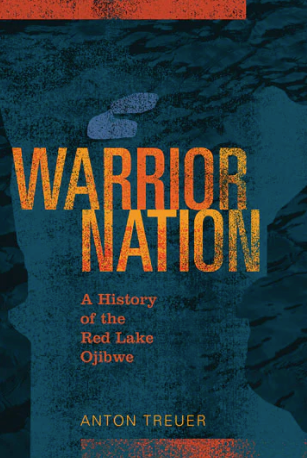
Warrior Nation: A History of the Red Lake Ojibwe by Anton Treuer
Tags:
[Red Lake Nation]
[Ojibwe]
[Anishinaabe]
[Minnesota]
[Tribes]

Comments