.png)
The Santa Ynez Band of Chumash

Updated: Mar 31

The Samala at a Glance
To understand the Santa Ynez Chumash, we must start with the facts of their current standing and their deep linguistic roots.
Tribe Name: Samala (The people of the Santa Ynez Valley).
Language Name: Samala (historically referred to as Ineseño).
Language Tree: Chumashan. This is a unique, independent language family (once thought to be Hokan) that is now considered a linguistic isolate—meaning it has no known living "relatives" outside the other Chumashan languages.
Direct Relatives: The Santa Ynez Band is related to the Barbareño, Ventureño, Obispeño, Purisimeño, and Cruzeño (Island) Chumash groups.
Enrollment: The tribe is small but vibrant, with approximately 153 enrolled members.
Land Ownership: The tribe currently stewards over 1,500 acres. This includes the original 137-acre reservation and the significant acquisition of the 1,400-acre "Camp 4" ancestral land, which was successfully placed into federal trust to ensure the tribe’s sustainability.
Sources: Chumash.gov (The Santa Ynez Reservation); California Language Archive (Samala Ineseño); IHBG Needs Data (FY 2026).

Brief History
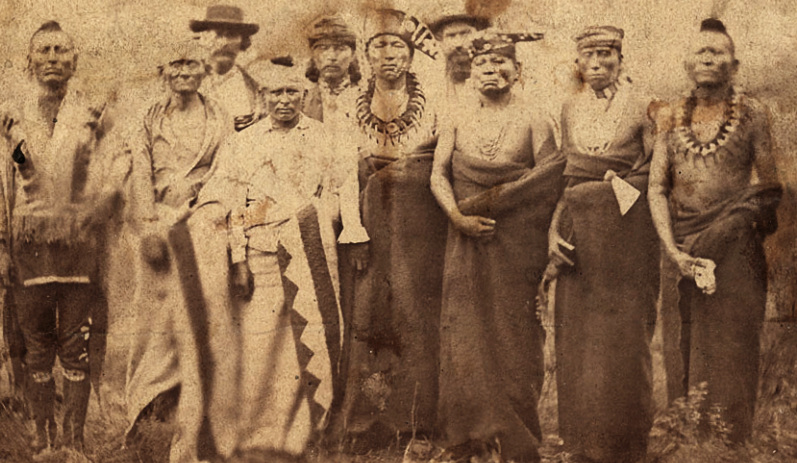
The history of the Santa Ynez Band of Chumash Indians (Samala) is a profound testament to the "7th Fire" principle of reclaiming a heritage that was nearly extinguished by the tides of colonization. For over 13,000 years, the Samala ancestors flourished as a sophisticated maritime power, utilizing the Tomol—a highly engineered plank-built sea vessel—to dominate trade and travel across the Santa Barbara Channel.
This era of mastery was violently interrupted by the Spanish mission system, specifically the establishment of Mission Santa Inés in 1804, which led to a catastrophic loss of life and culture. However, the Samala spirit of resistance was immortalized in the 1824 Chumash Revolt, one of the largest organized Indigenous uprisings in California history. Following the secularization of the missions and the betrayal of the "Lost Treaties" of 1851, the tribe was left landless, living as "outcasts" on their own ancestral soil until the tiny Zanja de Cota reservation was finally established in 1901.
In the modern era, the tribe has successfully transitioned from a period of extreme poverty to one of formidable economic and cultural sovereignty. By utilizing the resources from their business enterprises, they have not only reclaimed over 1,400 acres of ancestral land (Camp 4) but have also launched an intensive linguistic program to bring the Samala language back from the brink of extinction. Today, the return of the Tomol to the waters of Limuw serves as a living bridge between their ancient maritime science and a self-determined future.
To explore the full timeline and cultural programs of the Samala people, visit: Chumash.gov/History
Ancient Echoes: Scientific Proof of Migration
While many theories once suggested that North America was populated relatively recently, the Chumash provide some of the strongest evidence for the Coastal Migration Theory.
The scientific "smoking gun" is Arlington Springs Man, whose remains were discovered on Santa Rosa Island. Radiocarbon dating has placed these remains at approximately 13,000 years old. This makes them the oldest reliably dated human remains in North America. Because the Channel Islands were never connected to the mainland, the presence of these ancestors 13,000 years ago proves they possessed advanced watercraft and maritime skills at the end of the last Ice Age.
Sources: National Park Service (Arlington Springs Man); Santa Barbara Museum of Natural History (Repatriation Records).

The "Lost Treaties" and the Fight for Recognition
The history of the Santa Ynez Chumash is marked by a period of profound legal betrayal known as the "Lost Treaties" of 1851-1852.
Following the California Gold Rush, U.S. commissioners negotiated 18 treaties with California tribes, promising over 7.5 million acres of land in exchange for peace and the surrender of other territories. However, the U.S. Senate, under pressure from the California legislature, refused to ratify the treaties and ordered them to be hidden in secret archives. For over 50 years, these treaties remained "lost," leaving the Chumash and other California tribes landless and without federal protection until the Santa Ynez Reservation was finally established by administrative action in 1901.
Sources: National Archives (The Secret Treaties with California’s Indians); California Native American Heritage Commission.
The Spirit of the Samala: Teachings and Origin
Chumash culture is centered on the concept of Balance and Reciprocity. They believe the universe is divided into three layers (the Upper, Middle, and Lower worlds), and humans have a sacred duty to maintain equilibrium in the "Middle World" where we live.
The Origin Story: The Rainbow Bridge The Chumash began on Limuw (Santa Cruz Island). The Earth Mother, Hutash, created the first people from the seeds of a magic plant. As the island became crowded, Hutash built a magnificent Rainbow Bridge (Wishtoyo) for the people to cross onto the mainland.
As they crossed the high, misty bridge, some people looked down, became dizzy, and fell into the ocean. To save them from drowning, Hutash transformed them into dolphins, which is why the Chumash today honor dolphins as their "brothers and sisters" of the sea.
Sources: Wishtoyo Chumash Foundation; Santa Ynez Chumash Museum & Cultural Center; NPS Cultural Oral Histories.

Tribal Lands
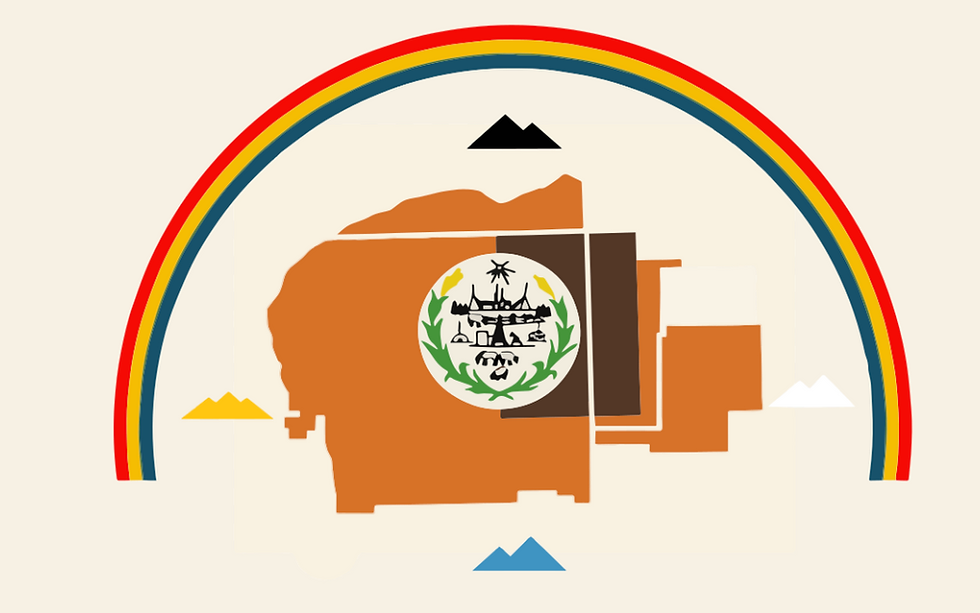
The Santa Ynez Band of Chumash Indians (Samala) currently stewards a land base of approximately 1,580 acres in Santa Barbara County, California. This territory is not a single contiguous block but is comprised of three distinct areas, each serving a vital role in the tribe’s sovereignty and cultural preservation.
1. The Original Reservation (The "Zanja de Cota")
Size: ~137–144 acres.
Location: Situated south of the town of Santa Ynez, nestled between the Santa Ynez Mountains and the San Rafael Range.
Geography: The land is bisected by the Zanja de Cota Creek. Historically, this area was a site of refuge for Chumash people following the secularization of the missions.
Challenges: Approximately 40% of this original acreage lies within a designated flood zone, and much of it consists of environmentally sensitive wetlands. Because the usable land is so small, it has led to significant overcrowding, which necessitated the acquisition of further territory.
2. The "Camp 4" Ancestral Lands
Size: ~1,400–1,433 acres.
Location: Located roughly three miles east of the original reservation.
Acquisition: Purchased by the tribe in 2010 and officially taken into federal trust in 2019 through the Santa Ynez Band of Chumash Indians Land Affirmation Act.
Purpose: This expansion is the cornerstone of the tribe's future. It is designated for 143 new tribal residences, tribal government offices, and agricultural use (including vineyards). Large portions are also preserved as open space, protecting riparian corridors and ancient oak woodlands.
3. The Cultural & Museum Parcel
Size: ~6.9 acres.
Location: Just north of the original reservation boundary.
Purpose: This specific parcel is dedicated to the Chumash Heritage Hall and the Santa Ynez Chumash Museum and Cultural Center. It serves as the physical "Knowledge Repository" for the Samala language, artifacts, and historical archives.
Summary of Current Land Holdings
Parcel Name | Approximate Size | Primary Use |
Original Reservation | 144 Acres | Existing Housing, Clinic, Casino Resort |
Camp 4 | 1,433 Acres | Future Housing, Government, Agriculture |
Cultural Center | 6.9 Acres | Museum, Heritage Hall, Cultural Events |
Sources: Santa Ynez Band of Chumash Indians (Chumash.gov); Bureau of Indian Affairs (BIA) Environmental Assessment for Camp 4; Federal Register (85 FR 61769); Santa Ynez Band of Chumash Indians Land Affirmation Act of 2019.
Learn more
🏛️ Museums & Cultural Centers
Santa Ynez Chumash Museum and Cultural Center (Santa Ynez, CA): This newly opened, world-class facility is the definitive resource for the Samala people. It features the Tomol House (housing a traditional plank canoe) and the Maria Solares Discovery Center, which focuses on language and ancestral teachings.
Santa Barbara Museum of Natural History: Home to one of the most extensive Chumash collections in the world. Their Chumash Life exhibit is famous for its detailed dioramas and artifacts, including shell-bead currency and basketry.
Chumash Indian Museum (Thousand Oaks, CA): Located on a historical village site, this museum offers an outdoor "living village" and guided tours of local rock art sites.
Santa Barbara Maritime Museum: Specifically focuses on the Tomol and the maritime science that allowed the Chumash to dominate the Santa Barbara Channel.
📚 Essential Books
"Lands of Our Ancestors" by Gary Robinson: A powerful three-book historical fiction series that follows a Chumash family from the pre-contact era through the mission and ranch periods. Excellent for your blog’s narrative style.
"The Samala-English Dictionary": Published by the tribe in 2007, this is the cornerstone of their language revitalization. It includes cultural notes that explain the "worldview" behind the words.
"December's Child: A Book of Chumash Oral Narratives" by Thomas Blackburn: A scholarly but fascinating collection of traditional stories and myths collected by linguist J.P. Harrington.
"The Rock Paintings of the Chumash" by Campbell Grant: The definitive visual guide to the sophisticated and mysterious rock art found throughout Chumash territory.
🎥 Documentaries & Videos
"Chumash Powered" (Patagonia Films): A beautifully shot short film about the modern revitalization of Tomol building and the connection between the tribe and the ocean.
"Return to Limuw" (NOAA/Chumash Maritime Association): Documents the emotional journey of tribal members paddling across the channel to their ancestral home on Santa Cruz Island.
"Chumash Life" YouTube Channel: The official channel of the Santa Ynez Band, featuring interviews with elders, language lessons, and highlights from their annual Pow-Wows.
🔗 Digital Resources & Links
Chumash.gov: The official government site for the Santa Ynez Band. It has dedicated sections for history, education, and their environmental stewardship programs.
California Language Archive (UC Berkeley): A technical resource for anyone wanting to look at the primary linguistic data for the Samala (Ineseño) language.
Wishtoyo Chumash Foundation: Focuses on the intersection of cultural preservation and environmental justice, particularly regarding the protection of California’s coastal waters.

Comments