.png)
The Tejon Indian Tribe


The Tejon Indian Tribe at a Glance
To understand the Tejon Indian Tribe, we must look at their profound, enduring connection to the San Joaquin Valley and Tehachapi Mountains of California, and their legacy as resilient protectors of their sovereign rights and keepers of their diverse indigenous heritage.
Tribe Name: Tejon Indian Tribe.
Language: Kitanemuic (Kitanemuk), with ancestral ties to Chumash, Yokuts, and Kawaiisu dialects.
Language Tree: Uto-Aztecan, Yokutsan, and Chumashan families.
Direct Relatives: The Tribe shares bloodlines with several Native nations of the region, including the Chumash, Tataviam, Tubatulabal, Paiute, Kawaiisu, and Yokuts.
Enrollment: The tribe currently has a thriving citizenship of over 1000 enrolled members.
Land Ownership: Headquartered in Kern County, California, near Bakersfield. The Tribe is restoring its land base, most recently establishing federal trust lands in Mettler, California.
Sources: Bureau of Indian Affairs; Tejon Indian Tribe Official Data; Destination Native America
Brief History
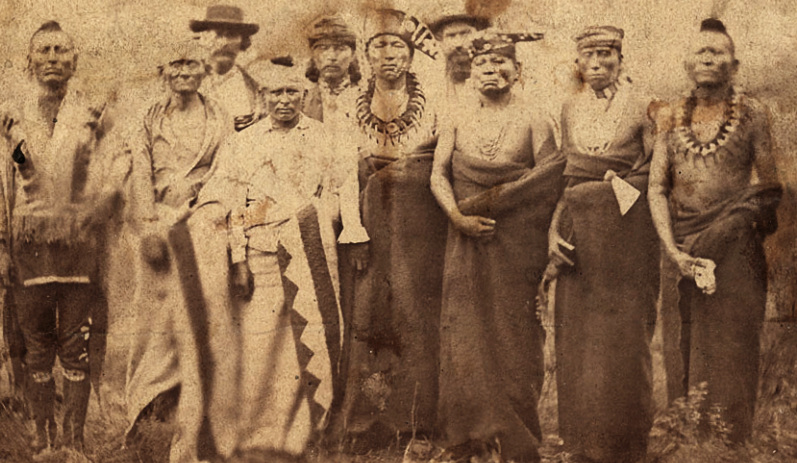
The history of the Tejon Indian Tribe is a powerful story of survival through forced displacement, resilience against encroaching settlers, and a modern triumph of sovereignty. The Tejon people, historically rooted in the Kitanemuk, Chumash, Yokuts, and Kawaiisu nations, have inhabited the southern tip of the San Joaquin Valley and the Tehachapi Mountains for thousands of years. Their strategic homeland around the Tejon Pass provided access to vital trade routes, abundant game, and diverse plant life.
The mid-19th century brought intense upheaval during the California Gold Rush. Despite the signing of the 1851 Treaty of Santa Clara, the federal government failed to ratify the agreement, leaving the indigenous populations vulnerable. In 1853, the U.S. government established the Sebastian Indian Reservation—the first Indian reservation in California—on what would become Tejon Ranch. At its peak, over 1,800 Native people from various regional bands sought refuge there. However, the reservation was dramatically reduced and eventually dismantled by 1864, with the land transferring to private ownership under figures like Edward F. Beale.
Many tribal members were forcibly relocated to the Tule River Reservation at gunpoint, while others stayed behind to work as ranch hands on their own ancestral lands or dispersed to the Bakersfield area. Despite these devastating losses, the Tejon people fiercely maintained their community identity, passing down their traditions through generations.
Sources: Ethnohistory of the Tejon Indian Tribe; Wikipedia; The John Anderson Library
Ancient Echoes: The Spirit of the Tejon
The cultural foundation of the Tejon Indian Tribe is deeply embedded in their historic connection to the rolling foothills, expansive meadows, and vital creeks of Kern County. Their identity speaks to a people who masterfully blend the distinct traditions of the Kitanemuk, Chumash, and Yokuts cultures.
Traditional Tejon life was characterized by a rich subsistence lifestyle. The lands provided essential resources such as acorns, fish, and various local plants used for food, medicine, and masterful basketry. Today, the tribe is actively engaged in aggressive cultural and language revitalization. A central focus of this effort is the reclamation of the Kitanemuic language. Although the language had not been fluently spoken since 1940, modern tribal programs initiated in 2010 are working diligently to ensure that linguistic resources, traditional teachings, and artisan crafts are passed down to the youth.
The modern Tejon Indian Tribe honors its ancestors by fostering unity and pride, proving that their spirit remains unbroken despite centuries of colonization and cultural assimilation policies.
Sources: Destination Native America; Krazy Bear Native American Tribes
The Treaties and the Historic Fight for Sovereignty
The legal history of the Tejon Indian Tribe is defined by unratified treaties, broken promises, and a relentless modern fight to reclaim and assert their sovereign rights.
Following the failure to ratify the 1851 treaties, the Tejon people lived in a prolonged state of legal limbo. Despite being documented on the 1915 census by the Bureau of Indian Affairs (as the "El Tejon Band") and the 1933 California Indian Roll, the federal government erroneously omitted the Tejon Indian Tribe from the official list of federally recognized tribes in 1978 due to a bureaucratic oversight.
Refusing to let their political identity be erased, the Tejon Tribe fought back. Through relentless petitioning and legal battles throughout the 2000s, the tribe achieved a monumental victory. On December 30, 2011, the Assistant Secretary of Indian Affairs officially reaffirmed the government-to-government relationship between the United States and the Tejon Indian Tribe, correcting the historical error.
Today, the Tejon Indian Tribe is a thriving modern government and a rising economic force in Kern County. In 2022, the tribe received federal approval to acquire 320 acres of trust land in Mettler, paving the way for the Hard Rock Hotel & Casino Tejon. This economic enterprise represents generations of perseverance, providing the resources necessary to reinvest in the cultural, educational, and social well-being of its citizens.
Sources: DOI Office of Inspector General; U.S. Department of the Interior; Bureau of Indian Affairs
Tribal Lands
The Tejon Indian Tribe’s contemporary jurisdiction encompasses newly acquired trust lands in Kern County, set against the backdrop of their vast ancestral territories in the Tehachapi Mountains.
1. Mettler, California (Modern Trust Lands)
Significance: Located in Kern County, this 320-acre parcel represents the modern economic and sovereign base of the tribe. It is the site of the Hard Rock Casino Tejon, a powerful symbol of progress that fuels tribal housing, healthcare, and cultural initiatives.
2. Historic Tejon Pass and Tehachapi Mountains
Significance: While much of the original 763,000-acre Sebastian Military Reserve is now privately owned, the mountains and valleys remain the spiritual and historical home of the Kitanemuk, Kawaiisu, and Tejon Chumash ancestors.
Parcel Location | Primary Use |
Mettler, CA (Kern County) | Tribal Trust Lands, Economic Enterprises (Hard Rock Casino Tejon), Future Tribal Administration |
Bakersfield, CA | Tribal Offices, Community Outreach, Kern County Partnerships |
Tehachapi Mountains / Tejon Pass | Ancestral Homelands, Ecological and Cultural Heritage Sites |

Sources: Bureau of Indian Affairs; Tejon Indian Tribe Tribal Government
Learn More
🏛️ Museums & Cultural Centers
Fort Tejon State Historic Park (Grapevine, CA): While primarily a former U.S. Army outpost, the site and its surrounding exhibits offer crucial context regarding the establishment of the Sebastian Indian Reservation and the historic displacement of the local tribes.
California Living Museum (Bakersfield, CA): Located near Tejon homelands, focusing on the native flora and fauna essential to the traditional Tejon way of life.
Tejon Tribal Offices (Bakersfield, CA): The administrative heart of the tribe where ongoing cultural reclamation, language preservation, and community events are organized.
📚 Essential Books
"Ethnohistory of the Tejon Indian Tribe" by John R. Johnson: A comprehensive look into the diverse linguistic, cultural, and historical roots of the indigenous peoples who formed the modern Tejon Indian Tribe.
"Tejon Chumash: A Handbook" by John Anderson: Provides a historical overview of the Tejon Chumash and their struggles for social justice, survival, and territorial rights in California.
🎥 Documentaries & Videos
"The Tejon Indian Tribe's Journey to Sovereignty" (Local Kern County News Features): Various regional news specials detailing the decades-long fight to correct the BIA's administrative error and the tribe's modern economic revival.
PBS Bakersfield / Valley PBS: Frequently features segments on the native history of the San Joaquin Valley and the Tehachapi Mountains.
🔗 Digital Resources & Links
TejonTribe.net: The official government website of the Tejon Indian Tribe, containing information regarding tribal administration, history, and community departments.
NativeAmerica.travel (Tejon Indian Tribe): A resource detailing the history, culture, and regional significance of the Kitanemuk nation and the Tejon people.

Comments