.png)
Eastern Band of Cherokee Indians

Updated: Mar 16
https://www.ebci.gov/
Quick Facts
Tribal Name: Eastern Band of Cherokee Indians
Language: Tsalagi Gawonidv (Cherokee - Middle/Kituwah Dialect)
Language Group: Iroquoian
Enrollment: ~16,000
Location: Cherokee, North Carolina
Official Website: ebci.com
History

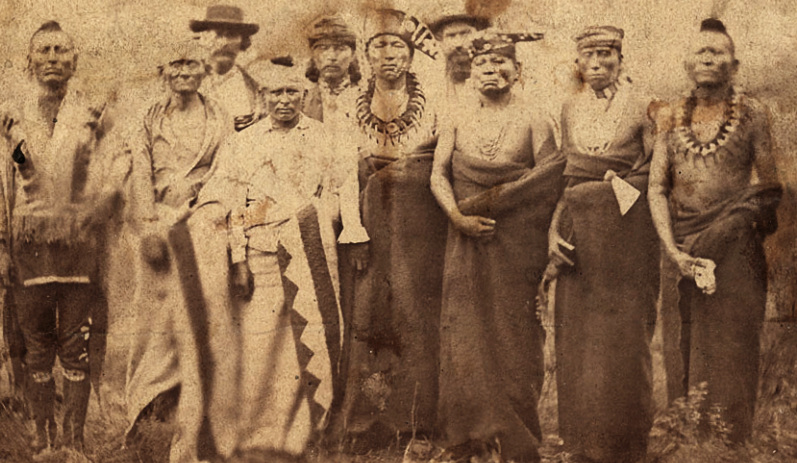
The Eastern Band of Cherokee Indians (EBCI) are the descendants of the roughly 800 to 1,000 Cherokees who managed to avoid the forced removal of the Trail of Tears. Leaders like Tsali sacrificed their lives to ensure a small band could remain in their ancestral mountains, while others, like Chief Yonaguska and a white ally named William Holland Thomas, used legal maneuvers to purchase land back in North Carolina. Because Native people could not hold property titles at the time, Thomas held the land in his name until the tribe was officially recognized. This fiercely independent group stayed in the shadow of the Great Smoky Mountains, preserving a direct, unbroken geographical link to their ancient origins. Source: EBCI History (visitcherokeenc.com)
Cultural Heritage

Because they remained in their original homelands, the EBCI maintains an incredibly deep connection to the specific flora, fauna, and spiritual geography of the Southern Appalachians. They hold tightly to traditional practices, including the gathering of wild ramps and the crafting of legendary white oak and honeysuckle baskets. The mother town of Kituwah—the sacred site where the Creator is said to have given the Cherokee their laws and first fire—is located just outside their boundary and was reacquired by the tribe in 1996. The Warriors of AniKituhwa, a cultural ambassador group, still perform the traditional Cherokee War Dance and Eagle Dance to educate the public. Source: Museum of the Cherokee People (motcp.org)
Recognition and Treaties
The EBCI is the only federally recognized Native American tribe in North Carolina. They operate as a sovereign nation with a Principal Chief and a Tribal Council. Their economic sovereignty has been heavily bolstered by cultural tourism and gaming, which funds their extensive local healthcare systems, including the Cherokee Indian Hospital, and comprehensive social services for enrolled members. Source: EBCI Tribal Government (ebci.com)
Relatives and Neighbors
While physically separated from the Cherokee Nation and UKB in Oklahoma by over a thousand miles, the EBCI maintains a powerful kinship with their western relatives. Tri-Council meetings are held to bring the leadership of all three federally recognized Cherokee tribes together to discuss shared cultural preservation, language initiatives, and issues facing all Cherokee people.
Reservation Lands

The EBCI does not live on a traditional "reservation" created by the federal government; instead, they live on the Qualla Boundary. This is a 56,000-acre land trust in western North Carolina that the tribe purchased back themselves in the 1800s. It sits right at the southern entrance to Great Smoky Mountains National Park.
Resources
Educational Websites & Digital Resources
Official EBCI Website
Link: ebci.com
Visit Cherokee NC (Cultural Info)
Link: visitcherokeenc.com
Recommended Books
Cherokee Women: Gender and Culture Change, 1700-1835 by Theda Perdue
Living Stories of the Cherokee collected by Barbara R. Duncan
Tags:

Comments