.png)
Robinson Rancheria of Pomo Indians

The Eastern Pomo at a Glance
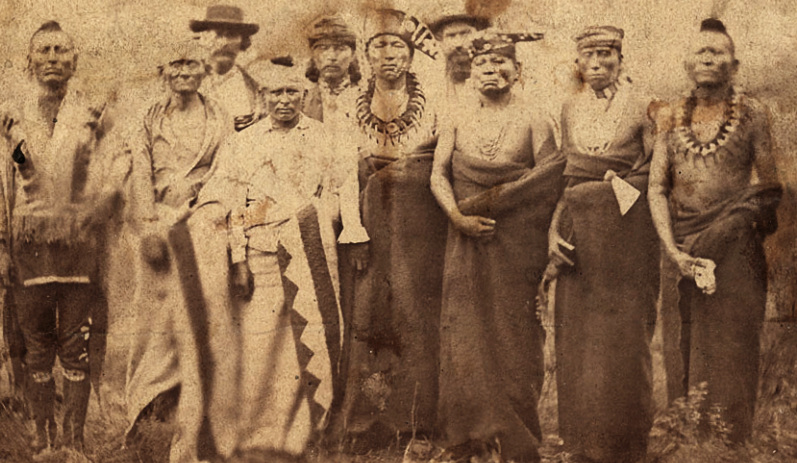
To understand the Robinson Rancheria, we must look at their profound, enduring connection to the Clear Lake Basin of Northern California and their legacy as masterful artisans, environmental stewards, and resilient protectors of their traditional ways of life.

Tribe Name: Robinson Rancheria of Pomo Indians. They represent the Eastern Pomo people.
Language: Eastern Pomo or Bahtssal.
Language Tree: Pomoan family.
Direct Relatives: The Robinson Rancheria is closely related to the other Pomo bands of the Clear Lake region, such as the Habematolel Pomo of Upper Lake, the Big Valley Band of Pomo Indians, and the Scotts Valley Band of Pomo Indians.
Enrollment: The tribe currently has a thriving citizenship of approximately 500 enrolled members.
Land Ownership: The Robinson Rancheria is headquartered in Nice, California, and manages over 113 acres of tribal trust lands in Lake County along the northwestern shores of Clear Lake.
Sources: Robinson Rancheria Official Website; California Indian Library Collections; Bureau of Indian Affairs
Brief History
The history of the Robinson Rancheria is a powerful story of deep ecological connection, survival through devastating eras of colonization, and a modern triumph of sovereignty. For thousands of years, the Eastern Pomo lived in the resource-rich Clear Lake Basin. Their ancestors lived as skilled hunter-gatherers, utilizing the abundant fish of the lake, local game, and relying heavily on the acorn as a staple food source. The tule reeds that grew along the lake were used to build their homes (wikiups), boats, and clothing, deeply intertwining their survival with the local ecosystem.
The arrival of European, Russian, and later American settlers in the 19th century brought catastrophic changes to the Pomo way of life. The people endured violence, forced labor under Mexican land grants, the devastating Bloody Island Massacre of 1850, and the loss of their ancestral territories. In 1907, the federal government established the Robinson Rancheria to provide a small land base for the displaced Eastern Pomo people.
This sanctuary was temporary, as the United States government illegally terminated its relationship with the tribe in 1956 under the Rancheria Act, forcing many tribal members to relocate and nearly erasing their community. However, the Eastern Pomo fought back. Through steadfast legal resistance, the tribe won federal restoration in 1981. Today, the Robinson Rancheria is a thriving modern government, operating economic enterprises like the Robinson Rancheria Resort & Casino, and continuously investing in the cultural, educational, and environmental well-being of its citizens.
Sources: Robinson Rancheria Official Website; Lake County Historical Society
Ancient Echoes: The Spirit of the Eastern Pomo
The cultural foundation of the Robinson Rancheria is deeply embedded in their historic connection to Clear Lake, the tule reeds, and the oak trees of Northern California. Their identity speaks to a people who value ecological balance, intricate craftsmanship, and strong community bonds.
Pomo culture is globally renowned for its extraordinary basketry. Considered some of the finest basket weavers in the world, Pomo artisans utilized materials like willow, sedge root, and redbud to create watertight, mathematically precise vessels, often intricately adorned with local feathers and shell beads. Historically, their spiritual life was centered around the Kuksu religion, a secret society involving elaborate ceremonial dances and healing practices meant to maintain the balance of the world.
The tribe is also actively engaged in cultural and language revitalization. While the Eastern Pomo language was heavily endangered due to assimilation policies and termination, modern efforts are working to ensure that traditional songs, dances, and language resources are passed down. The tribe's environmental programs also reflect this ancient spirit, marrying modern science with traditional ecological knowledge to protect the water quality of Clear Lake and native plant species.
Sources: Grace Hudson Museum; Robinson Rancheria Environmental Center
The Treaties and the Historic Fight for Sovereignty
The legal history of the Robinson Rancheria is defined by broken promises, termination, and a relentless fight to reclaim their sovereign status—a struggle that reflects the broader narrative of California Native American history.
During the 1850s, federal commissioners negotiated 18 treaties with California tribes, including the Pomo, which promised millions of acres of reservation land in exchange for ceding traditional territories. However, under pressure from the state of California, the U.S. Senate secretly refused to ratify these treaties, leaving the Pomo landless and unrecognized. It wasn't until the early 20th century that the federal government began purchasing small tracts of land for homeless Indians, establishing the Robinson Rancheria in 1907.
The most defining legal battle for the tribe, however, came during the Termination Era. In 1956, the U.S. government illegally stripped the Robinson Rancheria of its federal recognition and land trust status. Refusing to accept this erasure, tribal members filed a lawsuit. In 1981, the landmark court case Mabel Duncan, et al. v. United States ruled that the termination was unlawful because the government had failed to fulfill its obligations, including providing vital infrastructure before termination. This momentous victory restored their federal recognition, allowing the tribe to reorganize under a new constitution and rebuild their nation.
Sources: Mabel Duncan v. United States (1981); National Archives
Tribal Lands
The Robinson Rancheria's tribal jurisdiction encompasses a focused area in Lake County, California. While their historic ancestral territory spanned the broader Clear Lake Basin and surrounding hills, their contemporary land base is centered along Highway 20.
1. Nice, California (Primary Headquarters)
Significance: Located on the shores of Clear Lake, this area serves as the modern center of the Robinson Rancheria. It houses the tribal government complex, environmental offices, health services, and community housing.
2. Economic Territories
Significance: Also located within their trust lands in Nice, the Nation operates several successful economic enterprises, including the Robinson Rancheria Resort & Casino, a smoke shop, and a gas station, which generate revenue to fund vital community programs, education, and elder care.
Parcel Location | Primary Use |
Nice, CA (Lake County) | Tribal Government Headquarters, Environmental Center, Community Housing |
Nice, CA (Highway 20 Corridor) | Economic Enterprises (Resort & Casino, Gas Station, Smoke Shop) |
Sources: Robinson Rancheria Official Website; Bureau of Indian Affairs

Learn More
🏛️ Museums & Cultural Centers
Grace Hudson Museum (Ukiah, CA): Dedicated to the art, history, and culture of the Pomo peoples, featuring one of the most comprehensive collections of Pomo basketry and artifacts in the world.
Lake County Historic Courthouse Museum (Lakeport, CA): Offers excellent historical context and exhibits regarding the indigenous cultures of the Clear Lake Basin, including the Eastern Pomo.
📚 Essential Books
"The Pomo Indians of California and Their Neighbors" by Vinson Brown: A comprehensive overview of the history, culture, and lifeways of the Pomo peoples.
"Tradition and Innovation: A Basket History of the Indians of the Yosemite-Mono Lake Area" (While broader, it highlights the immense skill of California Indian basketry, of which the Pomo are the pinnacle). For specific Pomo basketry, look to catalogs from the Grace Hudson Museum.
🎥 Documentaries & Videos
"Pomo Basket Weavers: A Tribute to Three Elders": A documentary highlighting the incredible skill, patience, and cultural significance of Pomo basketry through the voices of tribal elders.
California Indian Museum and Cultural Center (YouTube): Frequently hosts lectures and short films covering the history and resilience of Pomo bands and other California tribes.
🔗 Digital Resources & Links
RobinsonRancheria.org: The official government website of the Robinson Rancheria, featuring resources on their environmental center, tribal leadership, and community services.
GraceHudsonMuseum.org: The digital home of the museum, where you can explore online exhibits and learn more about Pomo culture and history.

Comments